Suzhou Oushida Hot Melt Machinery Equipment Co., Ltd.
18 years of experience in R&D and production of hot melt adhesive spraying equipment and automation equipment

18 years of experience in R&D and production of hot melt adhesive spraying equipment and automation equipment


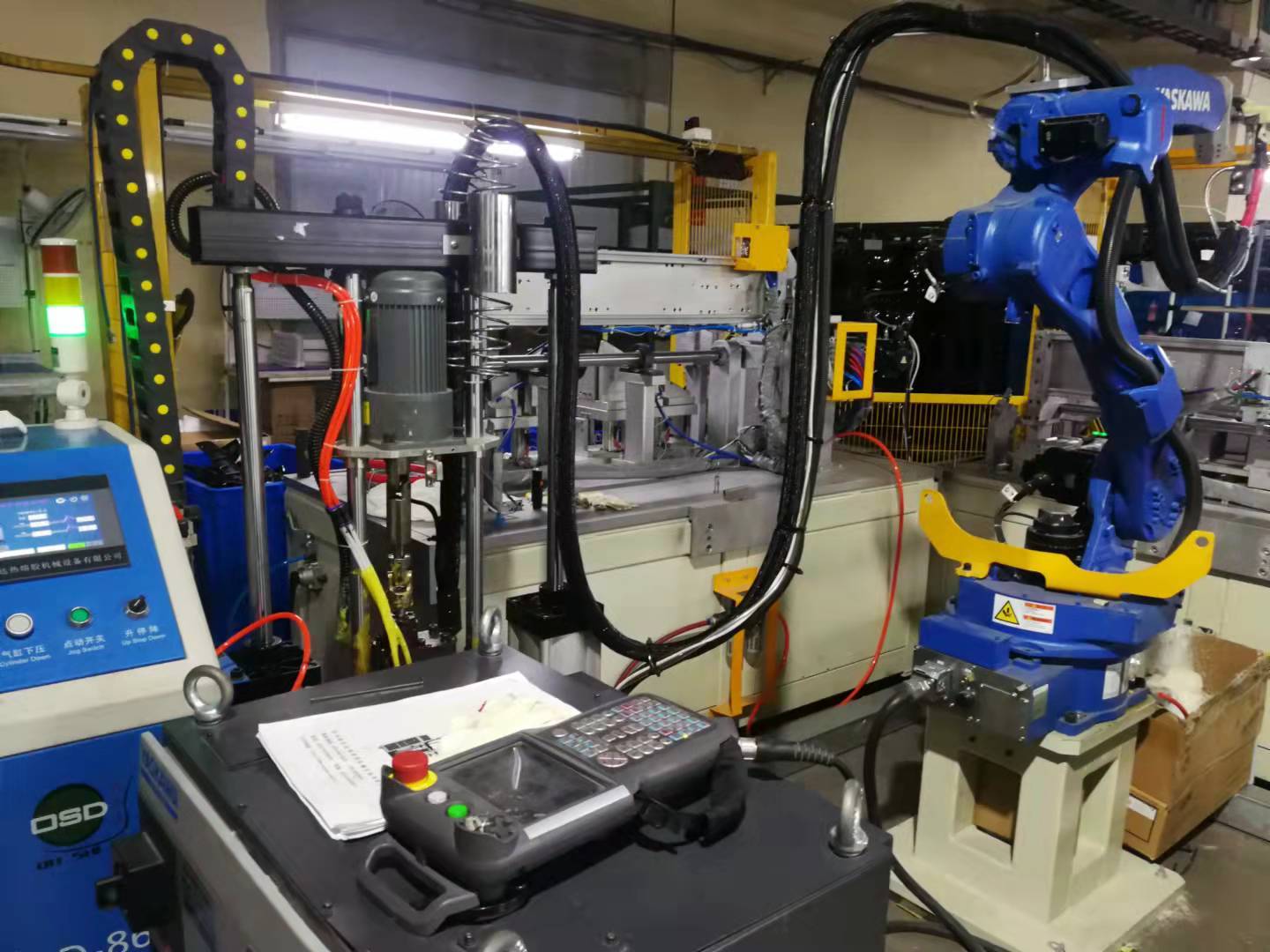
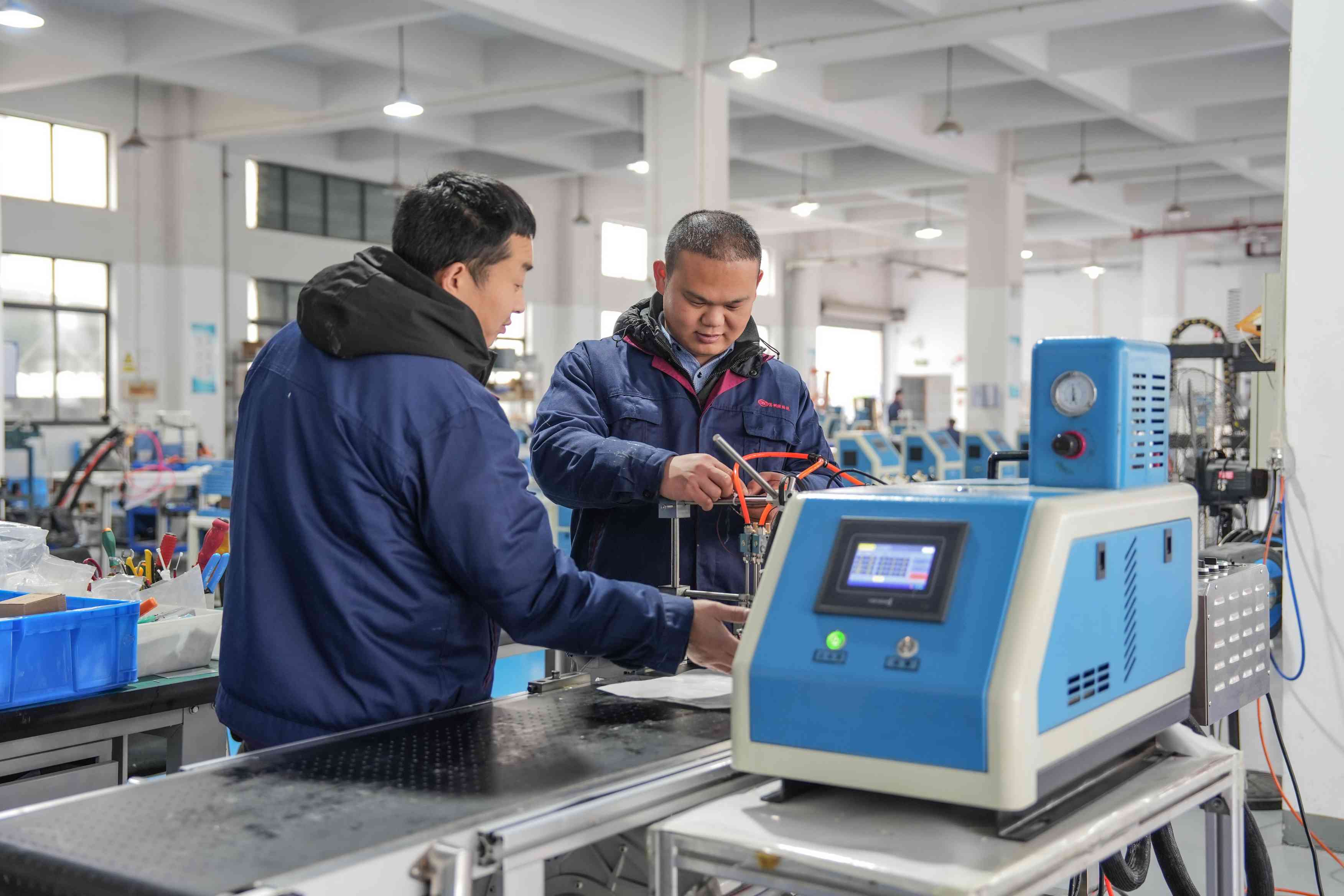
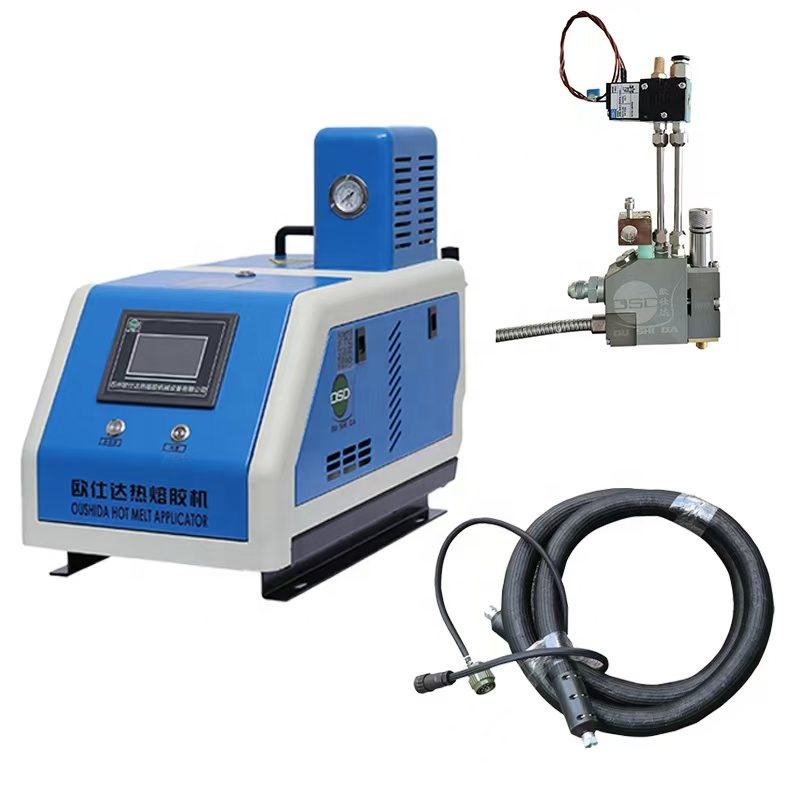
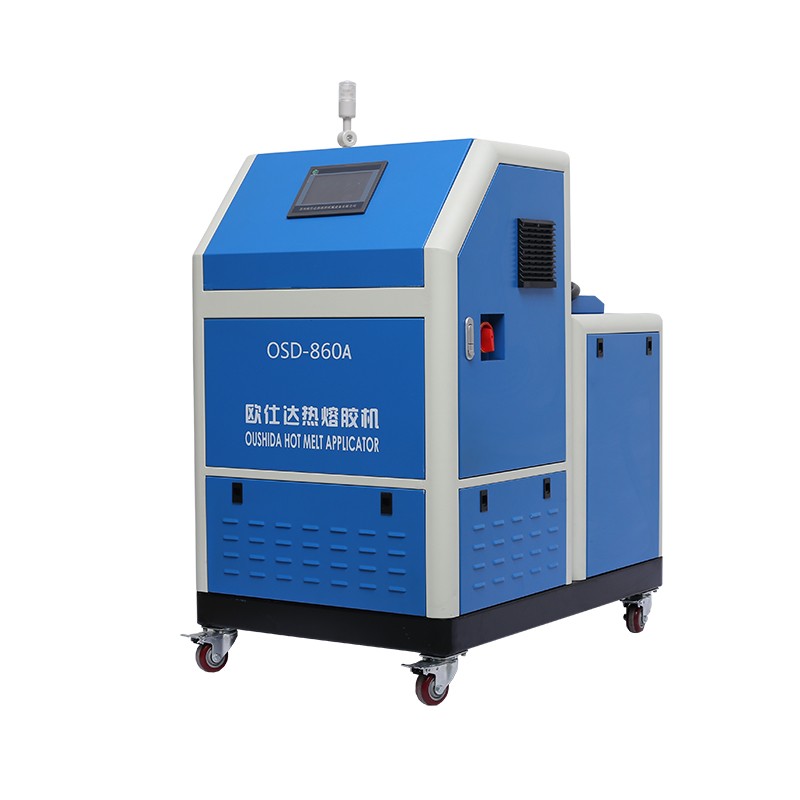
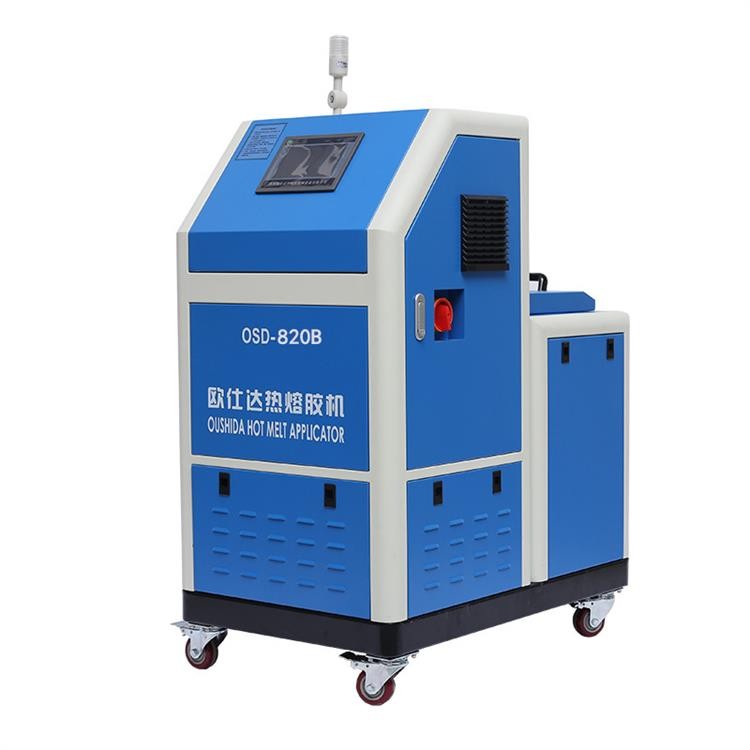
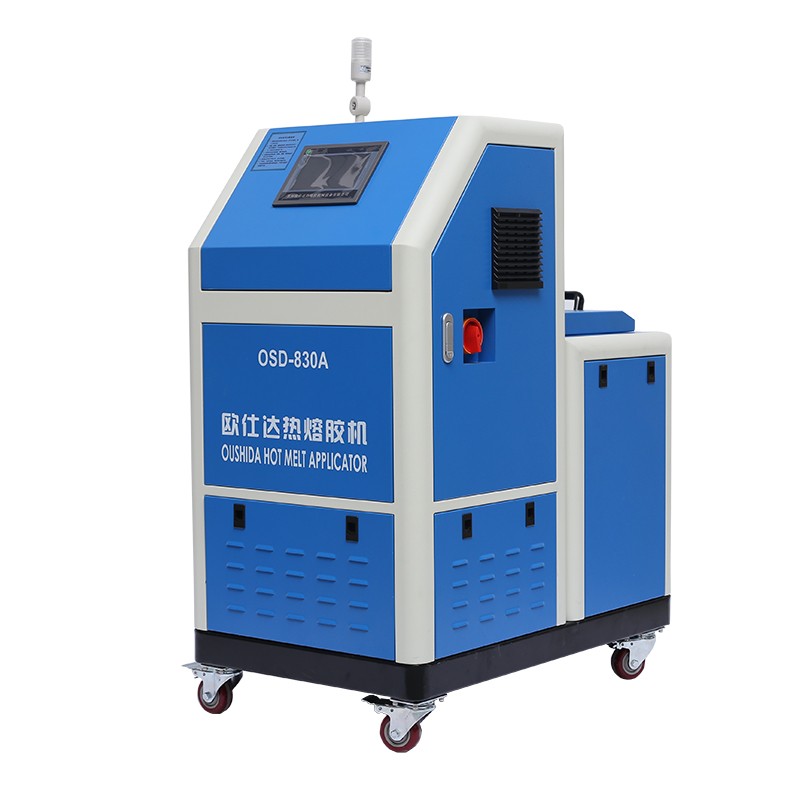
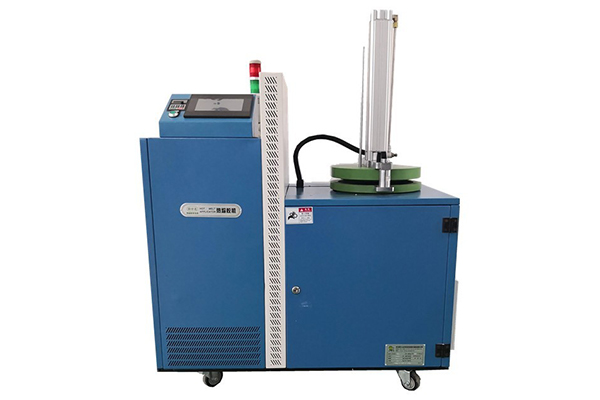
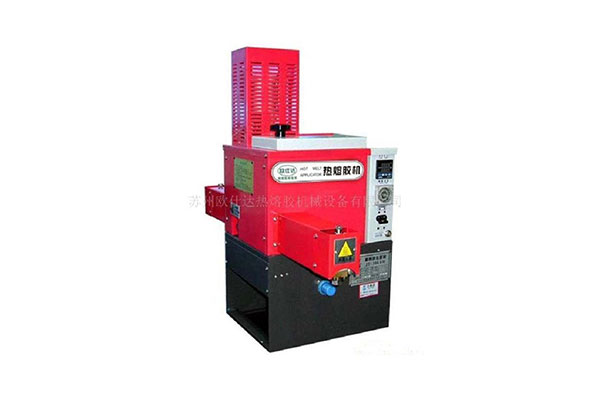
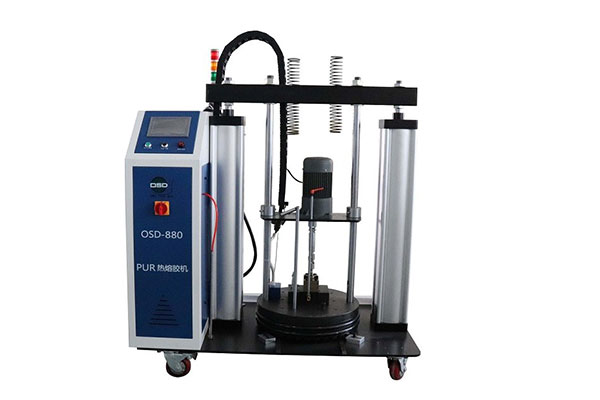
The hot melt glue machine is composed of a hot melt heating system, a pressure system, and a spraying system, and its working principle follows the sequential cooperation process of these three systems.
The hot melt heating system converts electrical energy into thermal energy through an electric heating device and uses a high-precision PLC intelligent temperature control system to achieve precise temperature control. This system is mainly used to heat solid hot melt adhesive to a molten state. The inner wall of the glue tank is coated with Teflon, which can effectively prevent material carbonization, ensuring that the hot melt adhesive has good flow characteristics and reducing the risk of blockage. The precision of temperature control will directly affect the stability of adhesive viscosity and provide an important foundation for subsequent spraying or coating processes.
The pressure system generates stable pressure via pneumatic or hydraulic drive mechanisms, coupled with a frequency-converted gear pump for precise flow regulation. Molten adhesive is uniformly extruded from the nozzle onto target surfaces. Pressure parameters are dynamically adjustable to match varying adhesive volume requirements. A precision filter device removes impurities to prevent nozzle clogging, while integrated high/low-temperature protection functions safeguard equipment against thermal damage.
The hot melt glue spraying system includes coating rollers, nozzles, or doctor blades to transfer molten hot-melt adhesive evenly onto substrate surfaces, achieving controlled coating thickness. This hot melt system supports automated operations such as spraying, scraping, rolling, and injection, catering to diverse industrial needs.
Hot-melt adhesive machines operate based on the physical properties of hot-melt adhesives: solid adhesives transition to fluid states when heated and solidify upon cooling to complete bonding. The core components collaborate through a sequential heating-pressurizing-spraying process. The equipment incorporates five key technical features:
1. Teflon-coated glue box interior to resist carbonization;
2. Frequency-controlled gear pump for accurate adhesive output control;
3. Precision filter to maintain nozzle patency;
4. PLC-based intelligent temperature management for stability;
5. Dual-temperature protection mechanisms for enhanced equipment safety.
These hot melt glue machines are widely used in automated scenarios across industries such as packaging, textile, cloth, footwear, printing and binding, furniture, woodworking, medical products, automotive supplies. They support versatile operations including hot-melt spraying, scraping, rolling, and injection molding, meeting adhesive bonding requirements in various industrial contexts.